Mio in Angola
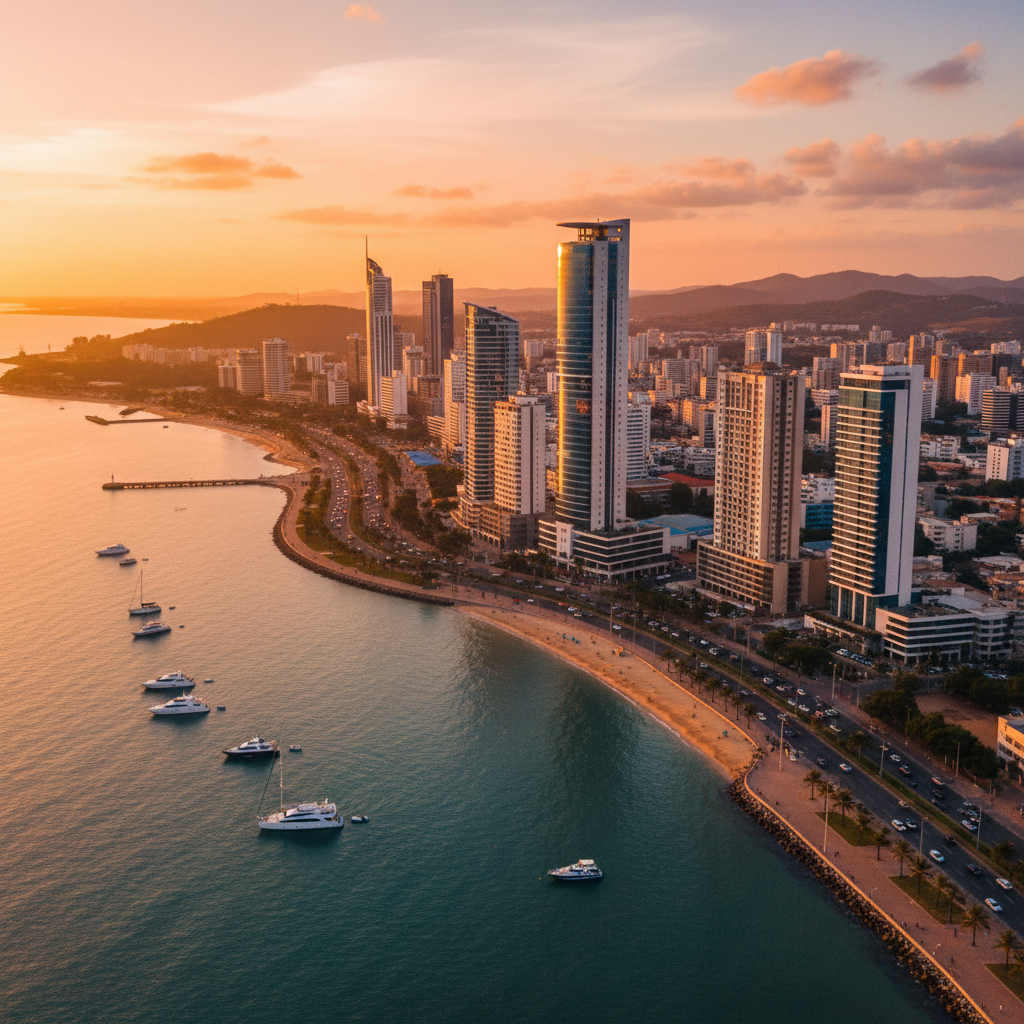
Stretching along the south-western coast of Africa, Angola is one of the continent's most resource-rich and rapidly transforming nations. The capital Luanda — rebuilt from the ground up after decades of civil conflict — now stands as one of sub-Saharan Africa's most energetic metropolises, a city of gleaming towers, Atlantic-side promenades, and a young population hungry for connection. Angola's vast interior hides ancient forests, thundering waterfalls, and wildlife reserves that most of the world has barely begun to discover. Against this backdrop of reinvention and natural grandeur, Mio is building its Angolan community.
Mio is available on iOS and Android across more than 200 countries, and Angola's user base is growing fast. Young professionals, university students, and creative entrepreneurs in Luanda, Huambo, and Benguela are joining the platform and making it their own. The app's full social toolkit — posts, Reels, Stories, live streams, premium content, and direct messaging — gives Angolans a single place to express themselves, discover the wider world, and build real relationships. Whether you are an Angolan reaching out to a diaspora contact in Lisbon or a traveler who just landed at Quatro de Fevereiro International Airport, Mio places the right people within reach.
Angola's cultural identity is inseparable from music, dance, and the deep sense of community that survived decades of hardship. Semba and kuduro rhythms pulse through Luanda's evenings; family ties anchor social life in every province; and the pride Angolans carry for their country's rebound story is palpable in every conversation. That same warmth and expressiveness translates beautifully onto Mio's content feed, where images of the Marginal seafront, village life in Malanje, and beach parties in Benguela attract attention from users across Africa, Europe, and the Americas.
Angola is entering a new era — modernising infrastructure, expanding its middle class, and embracing digital life at speed. Mobile phone penetration is rising year on year, and social platforms are now woven into daily routines for millions of Angolans. Mio is positioned to be the social layer that makes this digital era richer: more intentional, more rewarding, and more globally connected than anything that has come before. Early adopters in Angola are not just joining an app — they are staking a place in the future of Angolan digital culture.
Angola's Economy and the Answer Economy
Angola's economy is anchored by oil. The country ranks as sub-Saharan Africa's second-largest crude oil producer, with offshore fields operated by the state energy company Sonangol alongside major international partners. Petroleum revenues have funded Luanda's dramatic reconstruction, financed new road networks, and supported educational investment across the provinces. Despite the dominance of oil, the government's economic diversification agenda is gaining traction: agriculture, fisheries, diamonds, and emerging technology sectors are all receiving renewed attention as Angola works to insulate itself from the volatility of commodity markets.
Beyond extractive industries, Angola's cities are nurturing a new class of entrepreneur. Luanda's fintech scene is quietly expanding, logistics start-ups are capitalising on the country's port infrastructure, and a growing creative economy — music production, fashion, digital content — is attracting both local talent and diaspora investment. The young median age of Angola's population, combined with rising smartphone ownership, creates fertile ground for digital platforms that reward skill, knowledge, and authentic communication. Mio fits naturally into this environment.
The Answer Economy is Mio's distinctive economic layer, and it operates on a principle that any Angolan entrepreneur would immediately recognise: genuine value deserves genuine reward. When you send a message on Mio, you spend coins — a small act that signals real intention and filters out noise. When you reply to a message, you earn coins — a direct return for the time and knowledge you invest. A Luanda-based architect, a Huambo agronomist, or a Benguela diving instructor can each convert their specific expertise into coin income simply by engaging with people who need what they know. The system rewards depth over volume.
For Angolans who have built careers navigating complex, rapidly changing environments, the Answer Economy's logic is intuitive. It mirrors the informal trust networks that have always driven commerce and social exchange in Angolan communities — except now those networks are digital, global, and trackable. Users who join Mio early, build a profile, and begin generating quality content and responses are positioning themselves at the centre of a growing ecosystem. The coins they earn today can fund the connections they make tomorrow, compounding value as the platform's Angolan community expands.
Angola's Most Active Cities
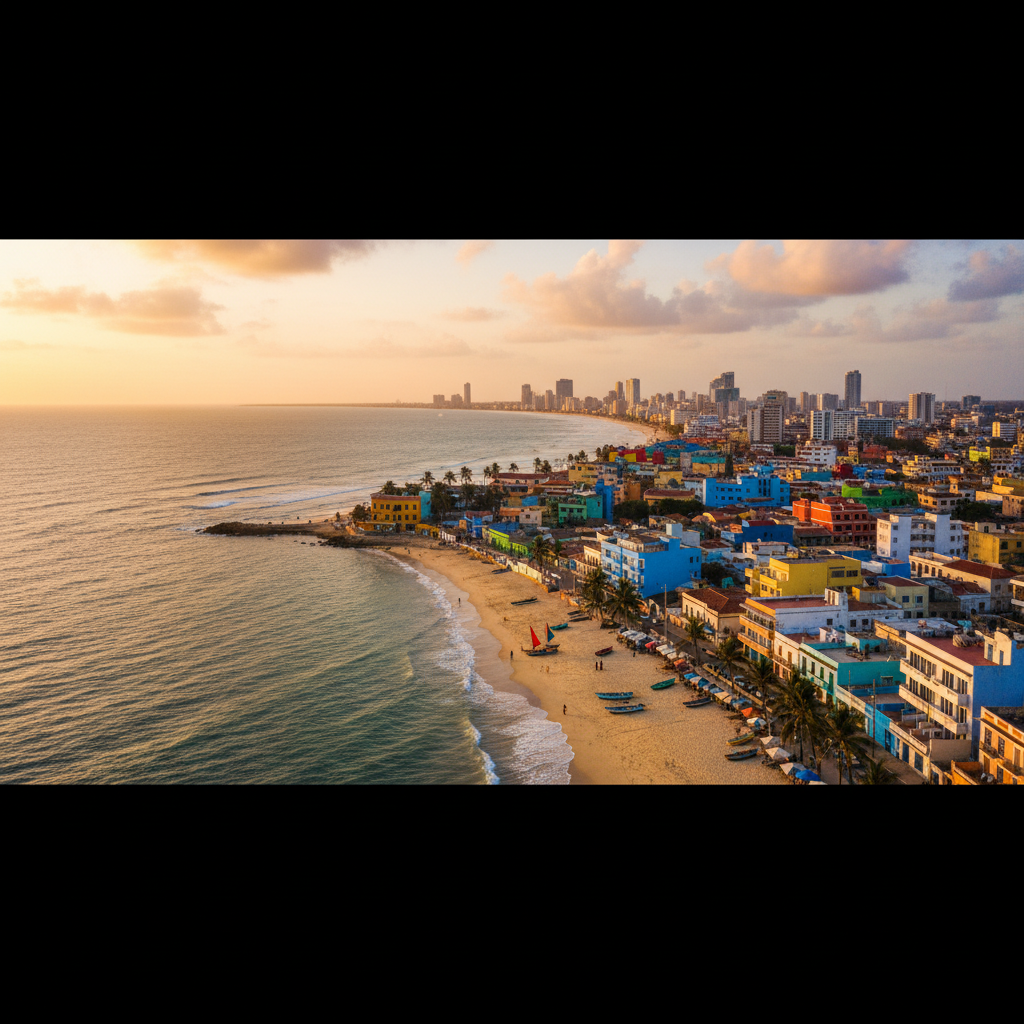
Angola's population of more than 35 million is increasingly urban, with migration from rural provinces into the coastal corridor and provincial capitals accelerating each year. Luanda dominates, but cities like Huambo, Benguela, Lobito, Lubango, and Malanje each carry their own economic weight and cultural character. On Mio, that diversity shows: the content coming out of each city has a distinct flavour, and the conversations happening there reflect genuinely different lived realities.
Luanda
Angola's capital and largest city, Luanda sits on a natural bay along the Atlantic and is home to an estimated 9 million people. The rebuilt Marginal seafront promenade, the Ilha de Luanda peninsula, and the glass-and-steel skyline of the Talatona financial district announce a city that has remade itself at remarkable speed. Luanda hosts the headquarters of major oil companies, diplomatic missions, and regional offices of international organisations, creating a cosmopolitan social environment unlike anywhere else in southern Africa. On Mio, Luanda users generate the most content and the most engagement — posting sunsets over the bay, live music clips from the Chicala neighbourhood, and behind-the-scenes glimpses of the city's fast-evolving culinary scene.
Huambo
Angola's second city occupies the central plateau at an altitude of over 1,700 metres, giving it a cooler climate than the coast and a different social rhythm. Huambo is the academic heart of inland Angola, home to Universidade José Eduardo dos Santos and a student population that brings intellectual energy to the city's public spaces. The surrounding highlands produce maize, potatoes, and cattle, making Huambo an agricultural hub with strong links to rural Angola. Mio users in Huambo post about campus life, highland farming, local football competitions, and the city's gradual cultural revival after the long years of conflict that left it particularly scarred.
Benguela
Benguela is one of Angola's oldest and most storied port cities, founded by Portuguese colonisers in 1617 and carrying centuries of history in its pastel-coloured colonial architecture and wide seafront boulevard. The city's beach culture is genuine and unhurried — families cook fish on the sand, bands set up informal evening concerts along the waterfront, and the catch from the morning's fishing boats appears in restaurant kitchens by noon. The Benguela railway terminus, once a key artery connecting Angola to the Congolese copper belt, is part of the city's industrial heritage. Mio content from Benguela leans heavily on food, beach life, and the laid-back coastal social scene that the city does better than almost anywhere else in the country.
Lobito
Just north of Benguela, Lobito is built around Angola's finest natural harbour and is rapidly becoming one of the most strategically significant cities in central Africa. The Lobito Corridor — a rail link stretching from the Atlantic coast into Zambia and the Democratic Republic of Congo — is attracting billions in international investment and positioning the city as a gateway for mineral exports from the interior. The Restinga, a narrow sand spit that forms Lobito's harbour, is one of the country's most distinctive urban landscapes: a long finger of land lined with coloured houses, fishing boats, and beachfront eateries. Mio users in Lobito capture harbour sunsets, railway engineering updates, and the lively Restinga social scene with equal enthusiasm.
Lubango
The capital of Huíla province in southern Angola, Lubango is best known to travellers for the Serra da Leba mountain pass — a series of breathtaking switchbacks cut into the escarpment that separates the coastal desert from the inland plateau. The city sits at altitude and enjoys a noticeably cooler and greener environment than Angola's tropical north. A large statue of Christ the King overlooks the city, and the nineteenth-century Cathedral of Our Lady of the Assumption anchors the historic centre. Mio users in Lubango post mountain scenery, traditional Nyaneka-Humbe cultural events, and the kind of unhurried small-city life that offers a striking contrast to Luanda's relentless energy.
Malanje
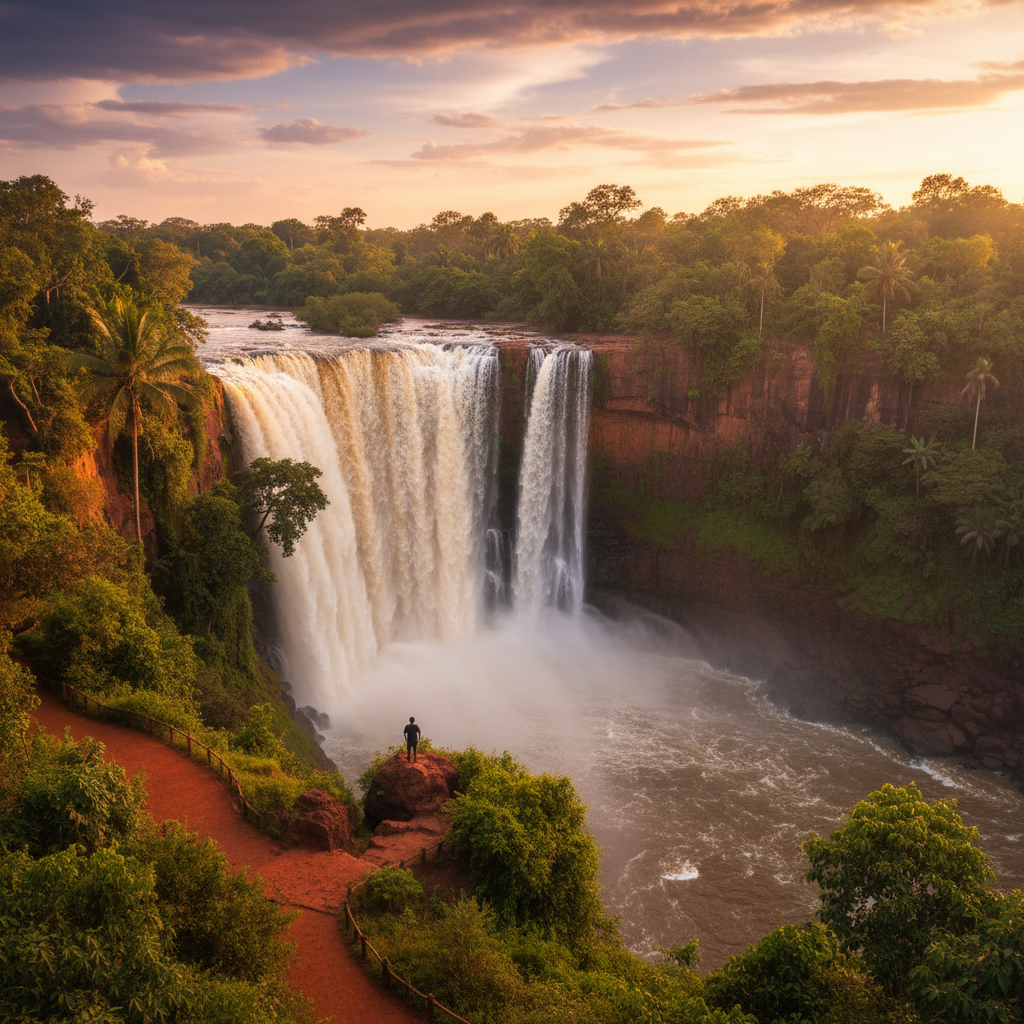
Malanje is the gateway city to some of Angola's most dramatic natural scenery, positioned in the north-central interior roughly 400 kilometres from Luanda. The Kalandula Falls — one of Africa's largest waterfalls by volume — lie just an hour's drive from the city, and the Cangandala National Park nearby protects the critically endangered giant sable antelope, Angola's national symbol. Malanje's agricultural hinterland produces cotton, coffee, and cassava, and the city is undergoing a gradual economic renewal as road infrastructure improves. On Mio, Malanje-based content creators are generating some of Angola's most visually spectacular posts — waterfall drone footage, wildlife sightings, and village ceremony documentation that draws significant international audience.
Trending Content and Discover Topics
Angola is among the most visually compelling countries on Mio's content map, and its trending topics reflect the full range of what the country has to offer — from ancient natural wonders to cutting-edge Luanda nightlife. Users scrolling through the Angola Discover feed encounter a world very few outsiders have seen clearly, and the appetite for that content, both inside Angola and globally, is consistently strong. Here is what is generating the most engagement.
- Kalandula Falls: The Lukala River drops approximately 105 metres over a basalt shelf roughly 400 metres wide to create one of Africa's largest and most photogenic waterfalls. At peak flow after the rainy season the mist rises high enough to be seen from kilometres away. Drone footage and long-exposure photography of Kalandula regularly rank among Angola's most-shared Mio content, drawing reactions from nature lovers across Europe, the Americas, and Asia.
- Kissama National Park: Located just 70 kilometres south of Luanda, Kissama is Angola's flagship wildlife reserve and the site of Operation Noah's Ark, the initiative that relocated elephants, buffalo, and other large mammals to repopulate the park after the war. Mio users post safari footage, elephant close-ups, and the dramatic landscape of the park's coastal and savannah zones. For Luandans seeking a weekend escape, Kissama is the obvious first destination — and the content it generates consistently outperforms the platform average for engagement.
- Semba and Kuduro: These two musical traditions could not be more different in origin yet both are unmistakably Angolan. Semba — the elegant, call-and-response couple dance from which Brazilian samba partly descends — is the music of Luanda's older generation and cultural elite. Kuduro — the fast-tempo, electronically driven dance music born in Luanda's musseques in the 1990s — is the global ambassador of modern Angolan youth culture. Mio Reels featuring both genres attract choreography challenges, tutorial requests, and cross-cultural collaborations with users in Brazil, Portugal, and the Caribbean.
- Angolan Cuisine: Muamba de Galinha (palm-oil chicken stew), Calulu (dried fish and okra), Moamba de Ginguba (groundnut sauce), and fresh grilled seafood from the Atlantic coast are the food content categories generating the highest comment volumes on Angola's Mio feed. Cooking videos, restaurant reviews, and street-food documentation from Luanda's Morro Bento neighbourhood and the fish markets of Benguela are reliably popular with a diaspora audience in Portugal, France, and Brazil that numbers in the hundreds of thousands.
- Atlantic Beaches: Angola's coastline runs for more than 1,600 kilometres and encompasses beaches ranging from Luanda's urban Ilha do Mussulo to the wild, almost uninhabited shores of the Namibe desert coast. Beach content — surfing, open-water swimming, beach volleyball, and sunset documentation — is among the most consistently engaged content category for Angolan Mio users, particularly during the cooler dry-season months from June to September.
Dating Culture in Angola
Dating in Angola is shaped by a culture that prizes personal presentation, social context, and community approval. In Luanda especially, meeting someone through a shared social circle or at a recognised venue carries more weight than a cold digital introduction — which is precisely why Mio's profile-driven approach, where your posts, interests, and personality are visible before a first message is sent, translates so effectively into the Angolan social context. A well-built Mio profile functions as a social introduction that respects local norms around getting to know someone gradually.
Angolan social life in Luanda revolves around evenings out — dinner at a seafood restaurant on the Ilha, dancing at one of the clubs in Miramar, or a gathering at a friend's apartment in Talatona. The bar and club scene is genuinely lively for a city of its size, and the music — live semba bands, kuduro DJ sets, Afrobeats crossovers from Nigeria and South Africa — creates an atmosphere where socialising comes naturally. Mio's live-streaming feature allows users to broadcast from these spaces and attract real-time viewers who engage from wherever they are. A Friday night on the Ilha of Luanda can reach Mio viewers in Lisbon, São Paulo, and Cape Town simultaneously.
Gender dynamics in Angola are evolving. Women in urban Angola, particularly those with higher education and professional careers, are increasingly asserting themselves as equal participants in social life and in making dating choices. Men, for their part, tend to invest in courtship — attentiveness, planning, and visible effort are valued. On Mio, these cultural tendencies find a comfortable home: the coin-based messaging system introduces a small but meaningful gesture of effort into every first contact, filtering out low-intention approaches and allowing people to engage at their own pace.
For international users visiting Angola — researchers, NGO workers, diplomats, and business travellers make up a significant portion of Luanda's transient population — Mio provides something invaluable: a social network that is already populated with Angolan users before the plane lands. The World Map and Nearby People features let visitors identify who is around them and break the ice around genuine shared interests rather than the awkward proximity of a hotel bar. Connections made on Mio in Luanda have consistently led to friendships, professional partnerships, and romantic relationships that outlast any individual stay.
Top Bars and Restaurants in Luanda
Caril de Galinha — Ilha do Mussulo
This long-standing seafood and traditional Angolan cuisine restaurant on the Mussulo peninsula is one of Luanda's most beloved institutions. Diners arrive by boat from the Mussulo ferry point or by the sandy track along the peninsula, and the journey itself is part of the experience. The menu centres on fresh Atlantic fish, grilled lobster, and the restaurant's signature muamba stew, all served at open-air tables with an unobstructed view of the Atlantic. Weekend lunches here stretch well into the evening as live music starts and the crowd grows. Mio Reels shot at Mussulo's restaurant strip regularly reach tens of thousands of views within hours of posting.
Restaurante O Navegador — Ilha de Luanda
Set on the narrow Ilha de Luanda peninsula that shelters the city's bay, O Navegador is one of Luanda's premier dining destinations for Angolan and Portuguese cuisine. The restaurant's terrace overlooks the water on both sides of the Ilha, offering a panoramic dining experience unique to this geographic location. The wine list is one of the most extensive in the city, drawing heavily from Portuguese producers, and the seafood — particularly the lobster and giant prawns sourced from local waters — is handled with genuine culinary skill. O Navegador is a popular choice for business dinners, anniversary celebrations, and the kind of first date where you want to make a clear impression.
Sky Bar — Hotel Presidente Luanda
Perched atop the Hotel Presidente in the Miramar neighbourhood, the Sky Bar is one of Luanda's most recognisable social landmarks. The panoramic terrace offers a 360-degree view of the city: the Atlantic to the west, the bay and Ilha to the north, and the expanding urban sprawl of Luanda to the east and south. It is a favourite gathering point for the city's professional class — diplomats, oil executives, and senior government figures are regular presences — but the relaxed dress code and reliable cocktail menu make it accessible to anyone who wants to experience the city from above. Sunset hours at Sky Bar are peak Mio content territory.
Best Hotels in Angola
Epic Sana Luanda Hotel
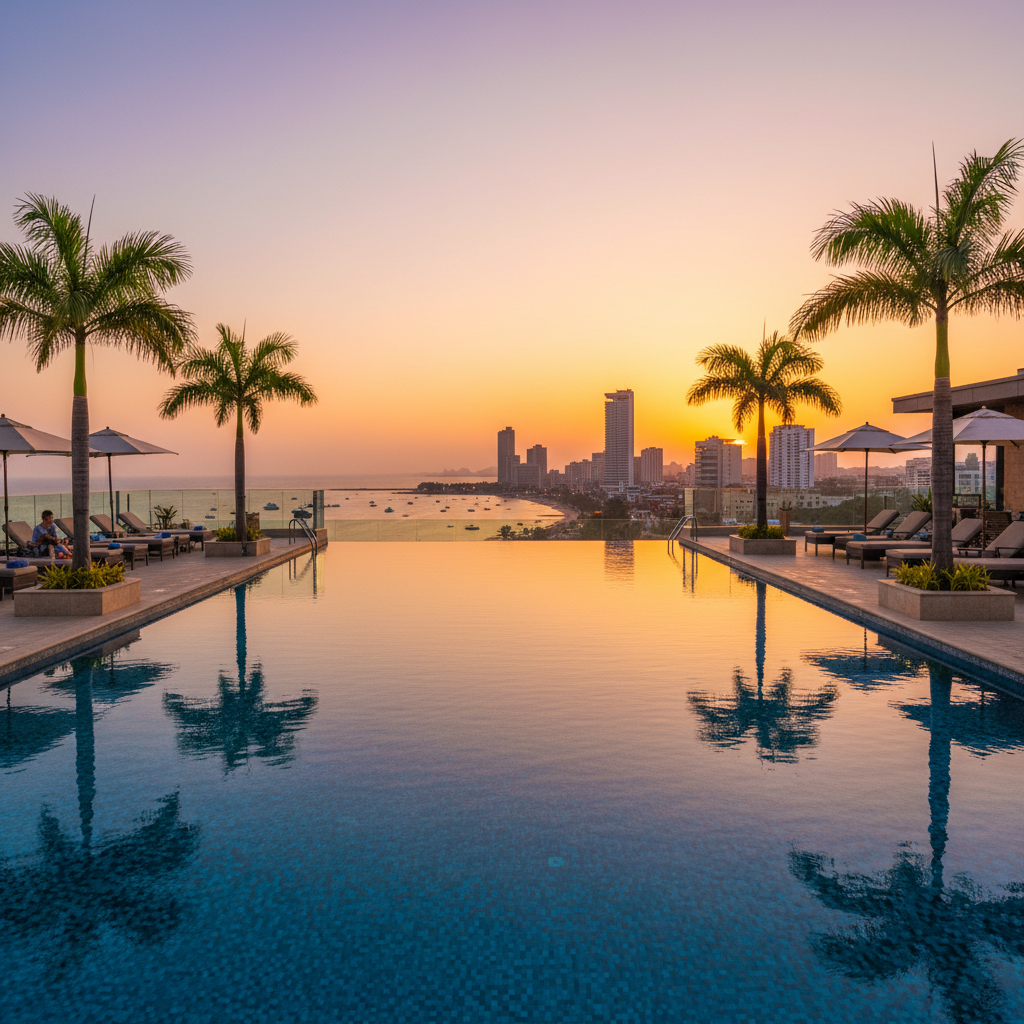
The Epic Sana is consistently ranked as Luanda's finest five-star property, part of the Portuguese Sana Hotels group. Located in the Alvalade district, the hotel combines contemporary architecture with a level of service calibrated to an international business clientele. The rooftop pool and terrace offer exceptional city views, the spa facilities are among the best in Angola, and the range of dining options — from the fine-dining Ouri restaurant to the all-day café — covers every occasion. For business travellers, the conference infrastructure is the most comprehensive in the country. For leisure guests, the concierge team's local knowledge is a genuine asset for navigating Luanda efficiently and safely.
Baía Hotel Luanda
The Baía Hotel occupies one of the most coveted positions in Luanda — directly on the Marginal, the seafront avenue that defines the city's Atlantic face. Rooms on the ocean-facing side offer unobstructed views of the bay and the Ilha de Luanda, and the hotel's ground-floor restaurant is a popular lunch destination for Luanda's business community even for non-guests. The Baía's combination of a prime location, consistent service standards, and mid-range pricing (by Luanda's notoriously expensive hospitality market) makes it one of the most recommended hotels in the city for first-time visitors who want to be close to the heart of Luanda without paying the full premium of the top-tier properties.
Kopala Tented Camp — Kissama National Park
For travellers willing to leave Luanda's urban intensity behind, Kopala Tented Camp inside Kissama National Park offers a genuinely different Angola. The camp consists of luxury canvas tents raised on wooden platforms within the park's wildlife corridors, providing direct access to game drives, guided walking safaris, and the extraordinary experience of watching elephants move through the bush at sunset. The camp's setting — roughly 70 kilometres from Luanda's city centre — makes it the closest safari destination to the capital of any African country. Small group sizes and professional guides ensure an intimate, unhurried encounter with the park's recovering wildlife populations. Mio posts from Kopala generate some of the highest save rates of any Angola-tagged content.
Romantic Spots in Angola
Miradouro da Lua (Moon Valley)
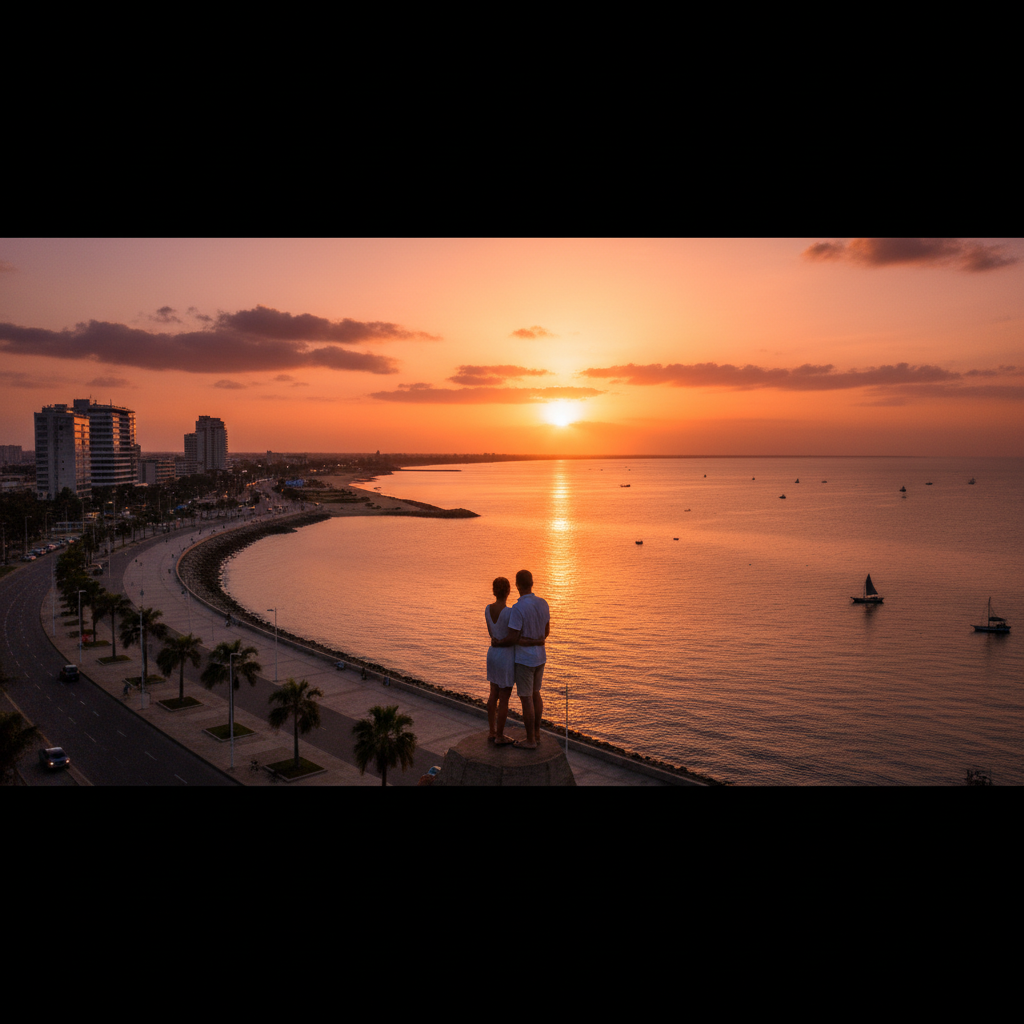
The Miradouro da Lua — Moon Valley — lies 40 kilometres south of Luanda along the coastal road toward Mussulo and Sumbe. Over millions of years, wind and rain erosion have carved the ochre and terracotta cliffs above the Atlantic into formations that genuinely resemble a lunar landscape, particularly in the golden light of late afternoon. It is one of Angola's most photographed natural sites and an almost perfectly designed setting for a couple's outing: the drama of the landscape provides a natural conversation starter, the sunsets are spectacular, and the Atlantic panorama stretches without obstruction in every direction. Visits are best timed for the hour before sunset, when the cliff colours deepen and the light turns the formations to burnished copper.
Ilha do Mussulo Sunset Cruise
The sheltered waters between Luanda's Ilha de Luanda and the Mussulo peninsula are home to a small fleet of charter boats that run sunset cruises ranging from two-hour cocktail excursions to full-day island-hopping trips. On the water at dusk, with Luanda's skyline glowing behind you and the Atlantic horizon opening ahead, the city's noise and complexity fall away entirely. The more established operators provide cold drinks, light seafood snacks, and Bluetooth speakers; the more adventurous offer fishing lines and instructions. Either way, a Mussulo sunset cruise is one of the most reliably romantic experiences available in the Luanda area and one that works equally well for a first date or a long-established couple looking to mark a special occasion.
Serra da Leba Mountain Pass — Lubango
In southern Angola, roughly 600 kilometres from Luanda, the Serra da Leba pass descends the escarpment above the coastal plain in a series of dramatic hairpin bends that have become one of Angola's most iconic road images. At the top of the pass, a viewpoint looks out over the cloud-covered valleys below and, on clear days, all the way to the Namibe desert coast. The area around Lubango is significantly cooler than the coast, giving it an almost temperate feel that makes outdoor exploration comfortable year-round. For couples who enjoy road trips, the drive from Lubango to the Serra da Leba viewpoint — followed by a meal in one of Lubango's traditional restaurants — is among the most memorable experiences Angola offers.
Shopping and Crafts in Angola
Angola's craft tradition is rich and distinct, shaped by the country's more than thirty ethnic groups each maintaining their own aesthetic vocabulary across textiles, woodcarving, basketry, and ceramics. The most recognisable Angolan crafts internationally are the wooden sculptures produced by Chokwe artisans in the eastern provinces — intricately carved figures, masks, and stools that carry deep ceremonial significance and are prized by collectors worldwide. In Luanda, the Mercado do Artesanato (Artisan Market) on the Marginal is the best starting point for craft shopping, with stalls representing producers from across the country.
Luanda's commercial landscape has diversified rapidly over the last decade. The Belas Shopping mall in the Talatona district is the largest shopping centre in Angola and offers a mix of international brands alongside local retailers. The shopping centres along the Via Expresso corridor cater to the growing middle class with electronics, fashion, and homeware. For food shopping, the Mercado do Kinaxixe in central Luanda is an authentic daily market where fresh produce, dried fish, palm oil, and local spices are sold by vendors who have operated the same stalls for generations.
Textile products from Angola are increasingly finding international audiences. The capulana — a wrap cloth of Mozambican origin that has been adopted across southern Africa — appears in Angolan design in vivid patterns that blend local motifs with broader pan-African aesthetics. Angolan fashion designers based in Luanda and Lisbon are now producing contemporary clothing that draws on these textile traditions, and Mio's content feed is one of the fastest-growing platforms for showcasing their work to a global audience.
For visitors, the most practical shopping advice is to combine the Marginal artisan market with a visit to the Morro Bento neighbourhood in southern Luanda, where independent designers, jewellers, and craft producers have established a cluster of small studios and showrooms. Prices are significantly lower than hotel boutiques, the products are more original, and the conversations with the artisans themselves are part of the experience. Many of these producers are now on Mio, where they use the platform's direct-messaging system to handle international orders from diaspora buyers in Portugal, France, and the United States.
Earning Coins on Mio in Angola
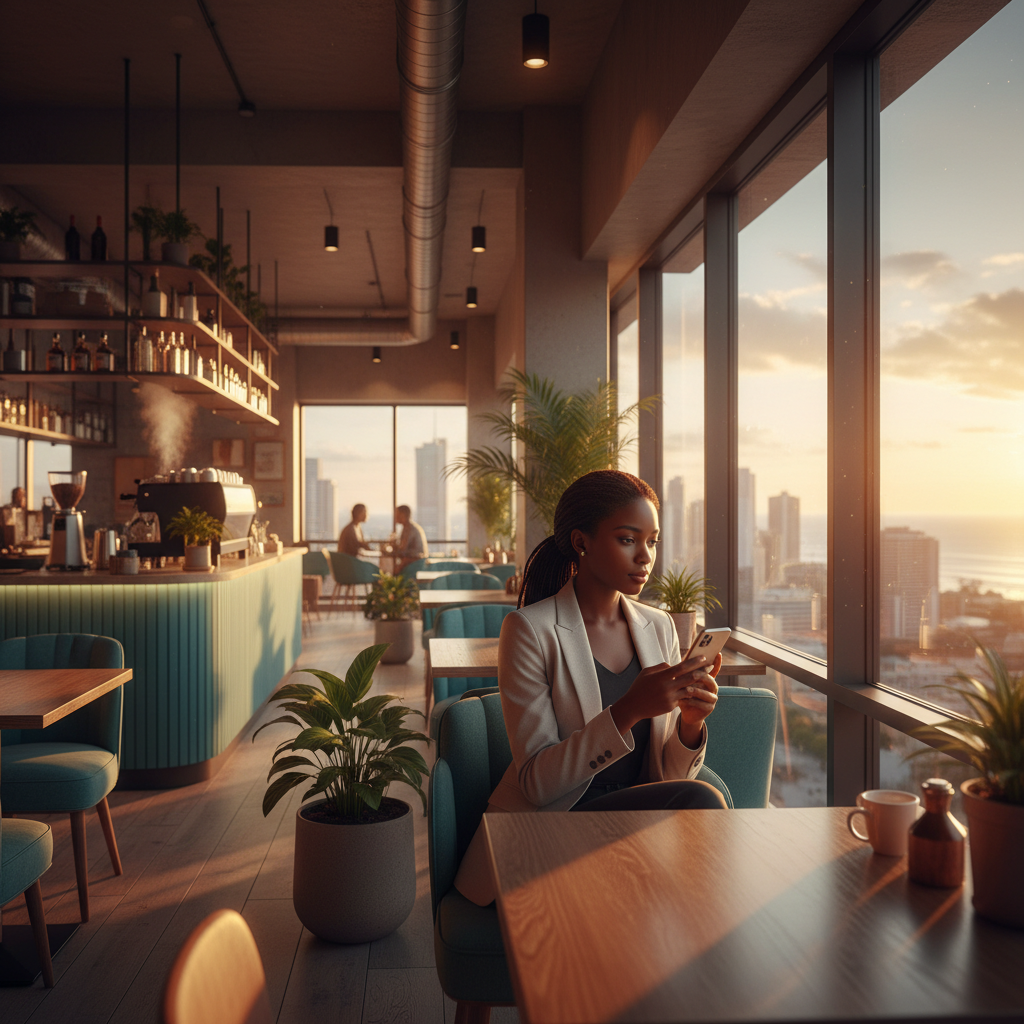
The Answer Economy is not just a theoretical concept on Mio — it is a practical daily reality for active users across Angola. The mechanism is straightforward: every message you send requires spending coins, which means every message carries genuine intent. Every message you receive and reply to earns you coins, which means your knowledge, experience, and local insight have direct monetary value on the platform. For Angolans with specific expertise — whether that is knowledge of Luanda's restaurant scene, experience navigating the country's bureaucratic processes, or professional skills in oil and gas engineering — this system creates a low-friction path to supplementary income.
Beyond direct messaging, Mio's coin ecosystem rewards content creation at scale. Users who build followings through high-quality posts, Reels, or live streams attract more incoming messages, which in turn generate more coin income. Premium content — posts, videos, or exclusive Q&A sessions that followers pay coins to access — is available to any user who chooses to activate it. For Angola's growing creative class, this layer of the Answer Economy is particularly significant: musicians promoting new tracks, photographers selling access to their best Angola landscape images, and fitness trainers offering remote coaching sessions can all monetise their skills directly without a traditional intermediary.
Coin earning on Mio scales with network size and engagement quality. A user in Luanda with 500 highly engaged followers who regularly ask questions about the city will earn more consistently than a user with 5,000 passive followers who rarely interact. This dynamic incentivises Angolan users to focus on authentic niche expertise rather than mass-appeal content — a model that rewards the country's genuine diversity of knowledge and experience. Provincial users in Malanje, Lobito, and Lubango who might assume they have less to offer than Luandans often find the opposite: their specific local knowledge is precisely what distant followers and travellers are willing to pay coins to access.
Join the Mio Community in Angola
Angola is at an inflection point — economically, culturally, and digitally. The country that spent a generation rebuilding its physical infrastructure is now investing in its social and digital future with the same intensity. Mio is part of that future: a platform built on the belief that every conversation has value, every person has something worth sharing, and every connection made with genuine intention can lead somewhere meaningful. Angola's Mio community is young, growing, and disproportionately influential relative to its current size — the users joining now are shaping what Angolan digital culture looks like to the rest of the world.
Joining Mio takes minutes. Download the app on iOS or Android, build your profile with the posts, interests, and personal details that represent who you actually are, and start exploring. Use the World Map to see where active users are concentrated across Angola and beyond. Use the Discover feed to find the content trends that matter in your city. Use the Interest filters to locate people who share your passions, whether those are music, entrepreneurship, wildlife photography, or cooking. And when you find someone worth talking to, spend a coin to say hello — it is a small gesture that signals you are serious.
For Angolans in the diaspora — and there are hundreds of thousands of Angolans in Portugal, France, the United Kingdom, Brazil, and the United States who maintain strong ties to home — Mio offers something particularly valuable: a live connection to the country that does not depend on WhatsApp group chats or sporadic phone calls. The platform's real-time content feed, live-streaming capability, and direct messaging system keep the diaspora plugged into Angolan daily life in a way that feels present rather than archival. Diaspora users who join Mio often become some of the platform's most active coin earners, their global perspectives and language skills making them highly sought-after conversation partners for users in Angola and beyond.
Angola is ready. Mio is ready. The only question is when you will join. Whether you come for the connections, the content, the coin economy, or the community — you will find all four here. Download Mio today and add your voice to one of Africa's most compelling digital conversations.
This content was prepared by the Mio editorial team.
Every question, answered.
About Angola
Angola demographics
Angola top cities
Compare Angola with
Join the Angola community
2 members are active across 18 cities in Angola on Mio. 0 pieces of content and 0 interactions in total.
Community, not algorithms — match by city and interest, tag your post with a venue, and connect with the real community.